

Students Define Global Health Equity Through Clinical Practice Around the World
“Global Health Equity means…” was the theme for this past spring’s Global Student Clinical program, which brought 39 Master's Direct Entry (MDE) students to nine countries, including Brazil, Ghana, India, Italy, Jamaica, Kenya, Spain, The Gambia, and Zambia, to complete their five-week clinical integration and gain firsthand experience with diverse health care systems, cultures, and communities. Led by Columbia Nursing’s Office of Community Engagement and Global Initiatives through funding from the Annual Fund's Global Fellows Fund, the program is now in its 11th year. Its success relies on the local expertise, partnerships, and logistical support of the Columbia Global Centers, particularly those in Amman, Beijing, Mumbai, and Nairobi, which have served as a home base for students during their global experiences.
Supporting Columbia Nursing's clinical experiences reflects Columbia Global’s broader commitment to expanding global learning opportunities for students and faculty across the university. Wafaa El-Sadr, MD, executive vice president, Columbia Global, highlighted what inspired this partnership and the value of this type of learning.
“Columbia Global’s partnership with the School of Nursing has been a hallmark of success. Our vision around fostering global engagement inspired our work with the school to introduce tomorrow’s nursing leaders and practitioners to different cultures, perspectives, views, and practices, which we hope they will carry with them the rest of their professional and personal lives. We are eager to expand this collaboration with other Columbia Global Centers around the world,” said El-Sadr.
The value of this type of education was further seen at the program's closing celebration, where fellows' experiences took center stage.
Celebrating a Global Community
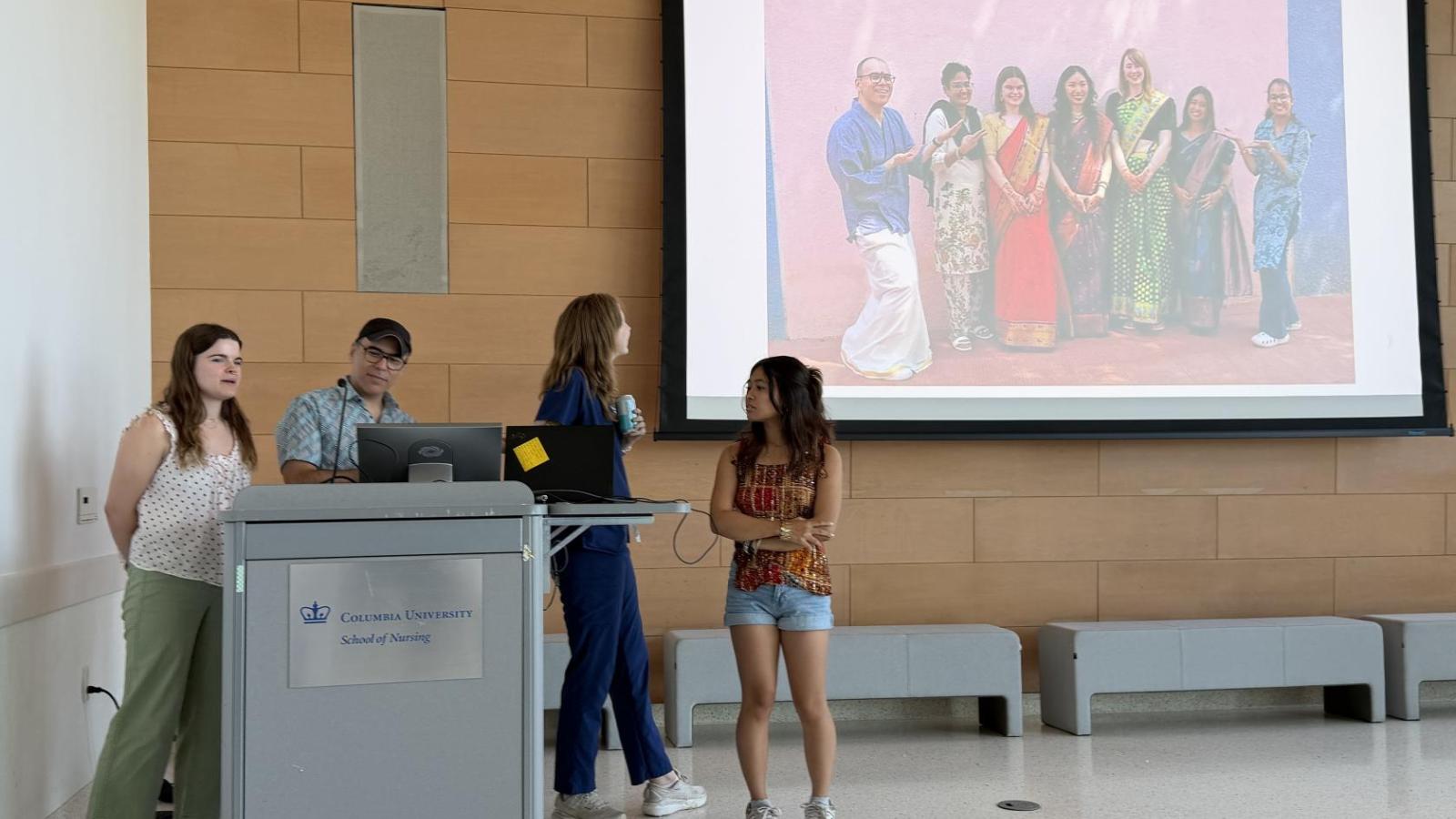
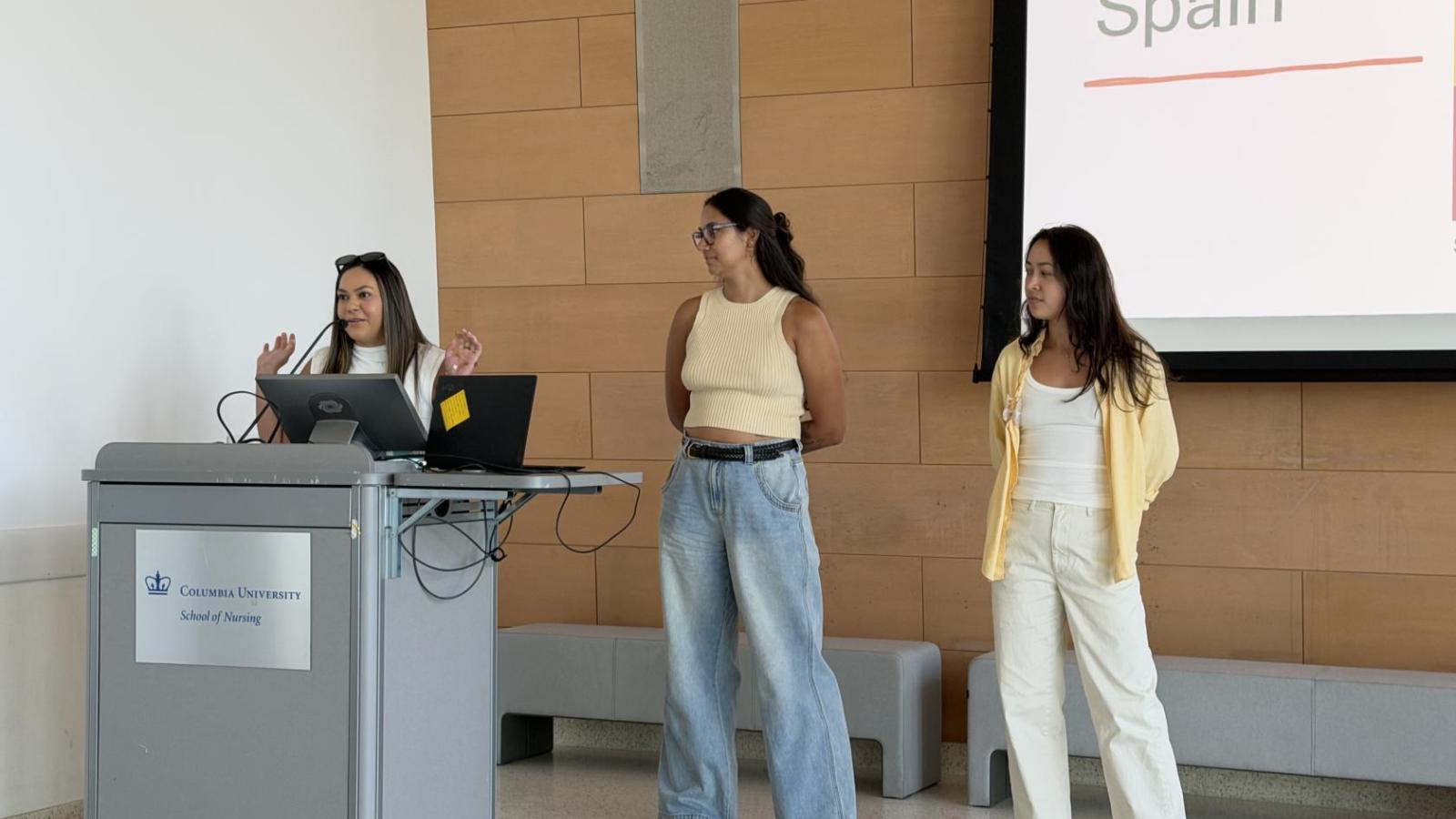
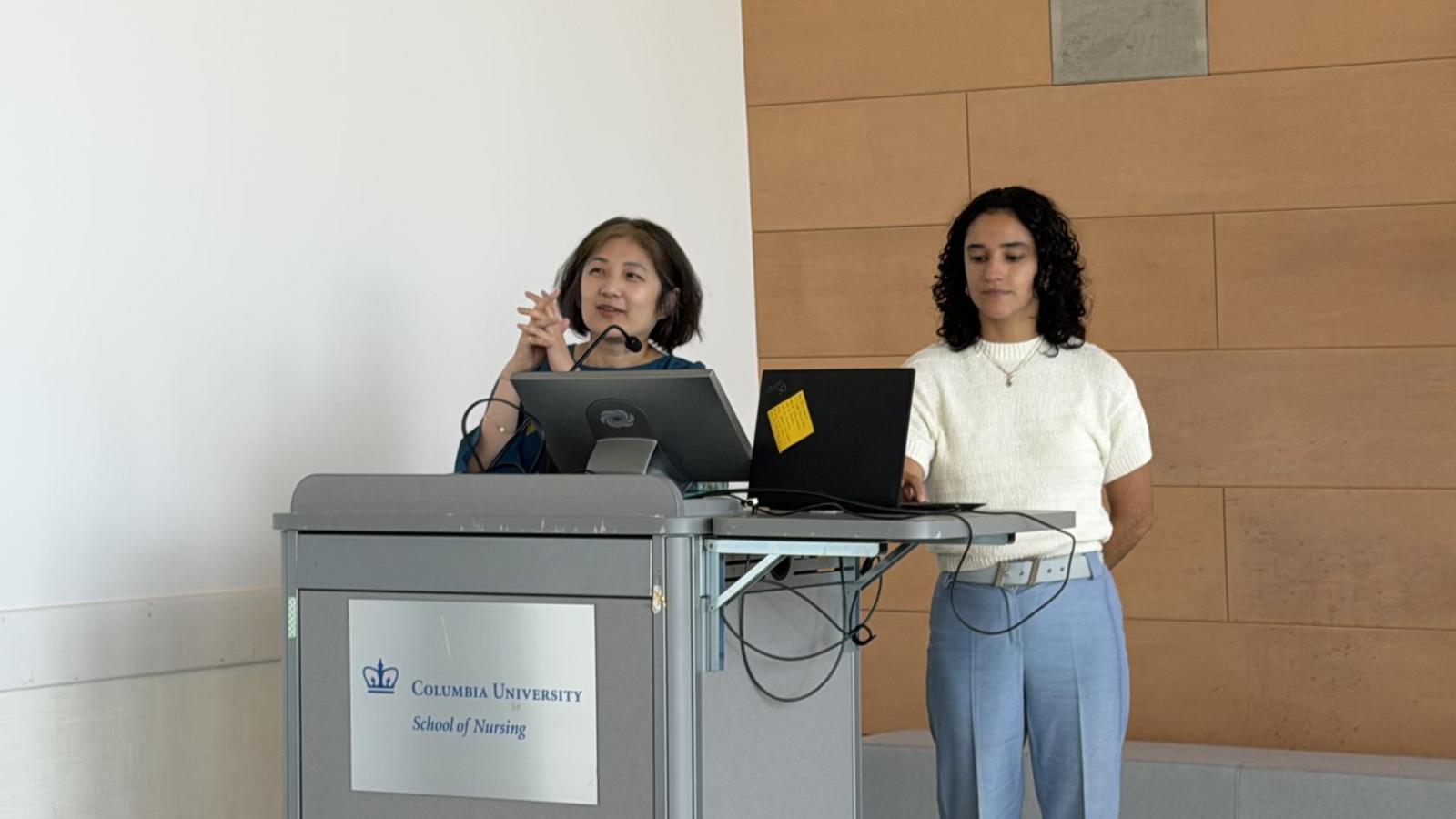
On July 23, 2026, students, faculty, and staff gathered to celebrate and reflect on the experiences abroad that shaped their understanding of global health equity.
Global fellow Alexandra Perrin described the hands-on learning she gained working in India:
“In Bel-Air, India, there were more infectious disease-focused clinics. One of my favorite memories was when we visited patients on our unit. The attending would take us into the nurse’s office and give us a mini-ID lesson where we walked through how to read an X-ray and find positive sputum samples for TB under the microscope. We appreciated the opportunity to learn about extra pulmonary tuberculosis in a way that we don’t usually see here in the U.S."
Haddy Lemon, another global fellow, highlighted how family connections made the experience in The Gambia especially meaningful:
“My family is from The Gambia. I went there when I was about three years old and I wasn’t able to go back until 2024 and then again this past spring. Coming back was definitely a great experience. My aunt is the deputy matron at the hospital we served at, and we share the same last name, so when I was there people would recognize my name and I would nod and say, ‘Yes, Yes, I know, we are related.’ Another special moment for me was learning that my paternal grandfather who passed away was given an award posthumously by the hospital due to his work over the years. He received an award for outstanding laboratory practices. We were able to meet some of the people he trained who were happy to see our group.”

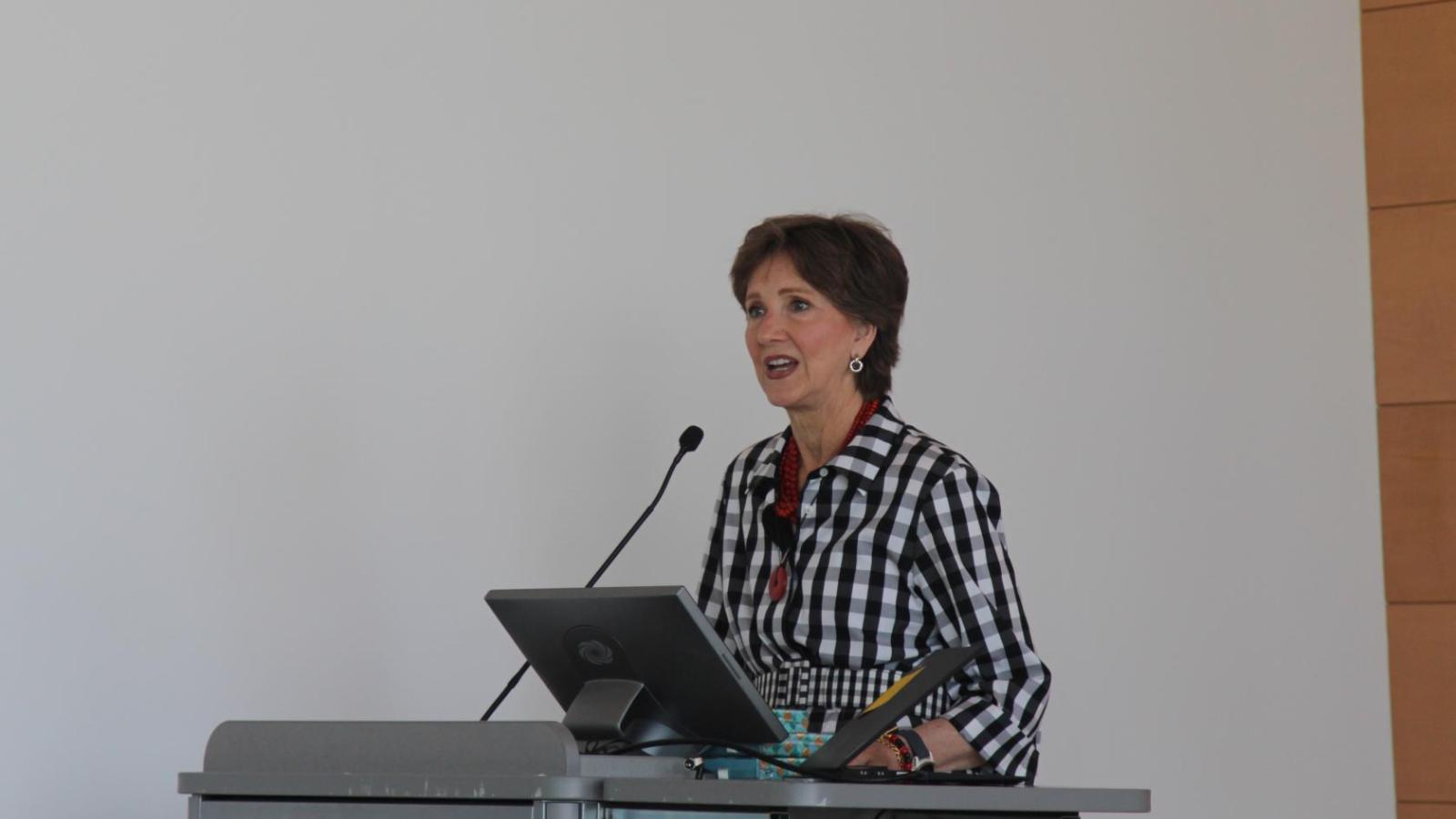

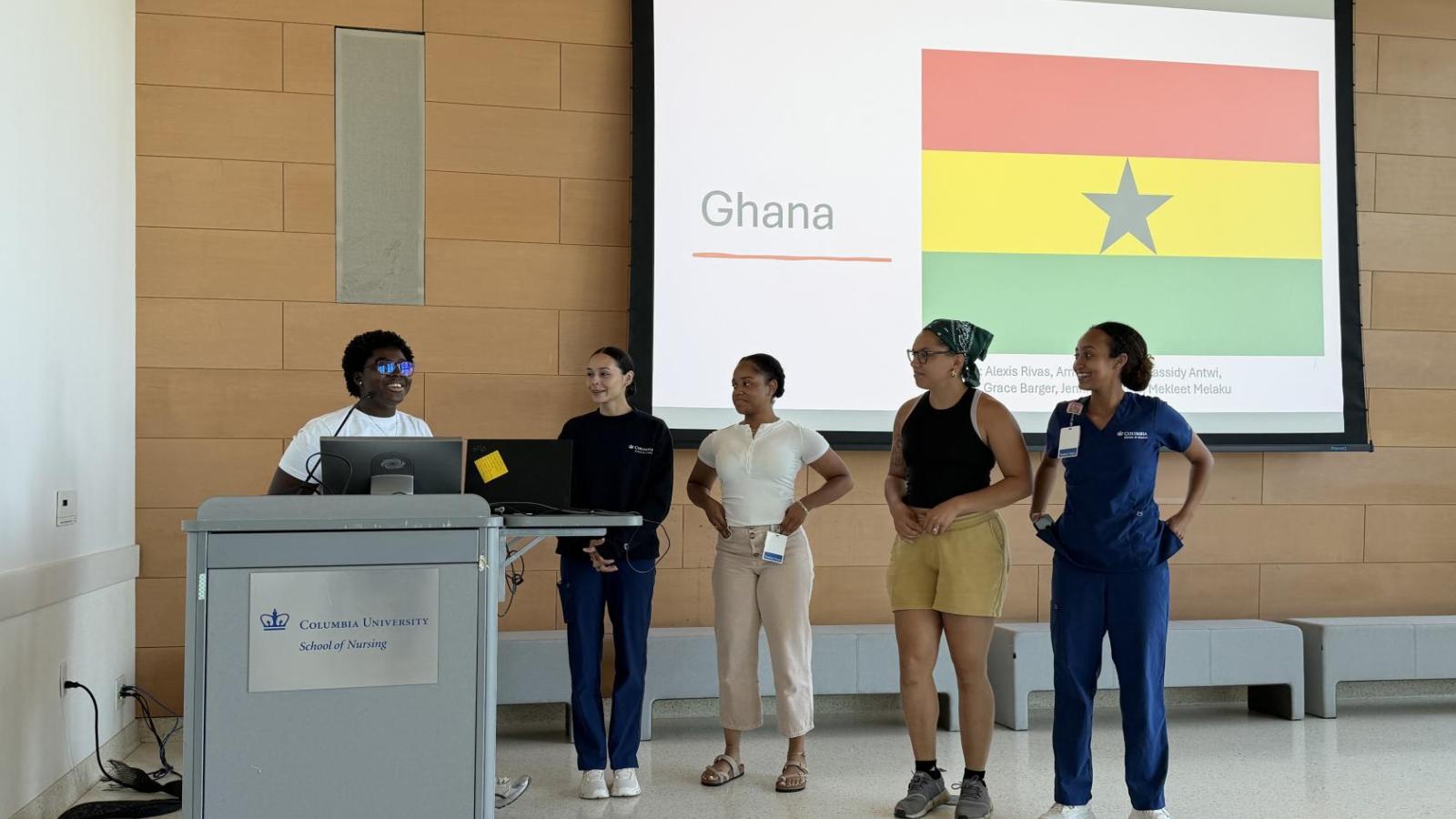
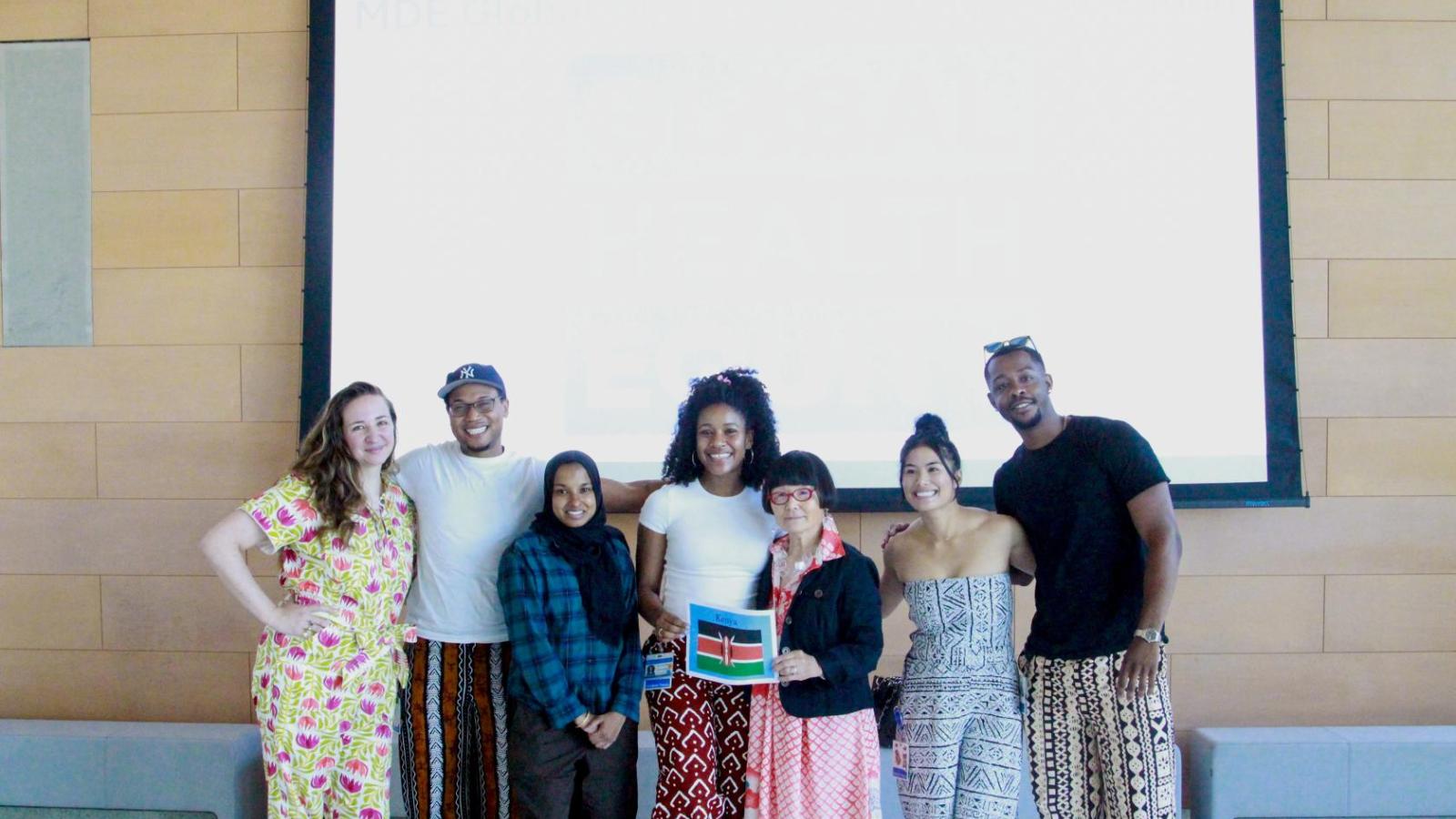
The event also featured alum and program donor Hazue Tamura Stein, BS’82, who connected with students and listened to their experiences.
"I enjoyed attending Columbia Nursing’s Global Student Clinical Program which gives students an extraordinary opportunity to experience another country, learn about its culture, nursing education and health care systems, and see firsthand how people live," Stein said. "I am very pleased to continue supporting this wonderful program through the Global Fellows Fund.”
At the end of the celebration, the program’s photo scavenger hunt winners were announced. Each site was tasked with capturing unique moments from their time abroad that encapsulated this year’s theme. Students who went to Zambia, the winning site, shared their surprise and noted that they couldn’t have won without the amazing camera skills of certain group members.
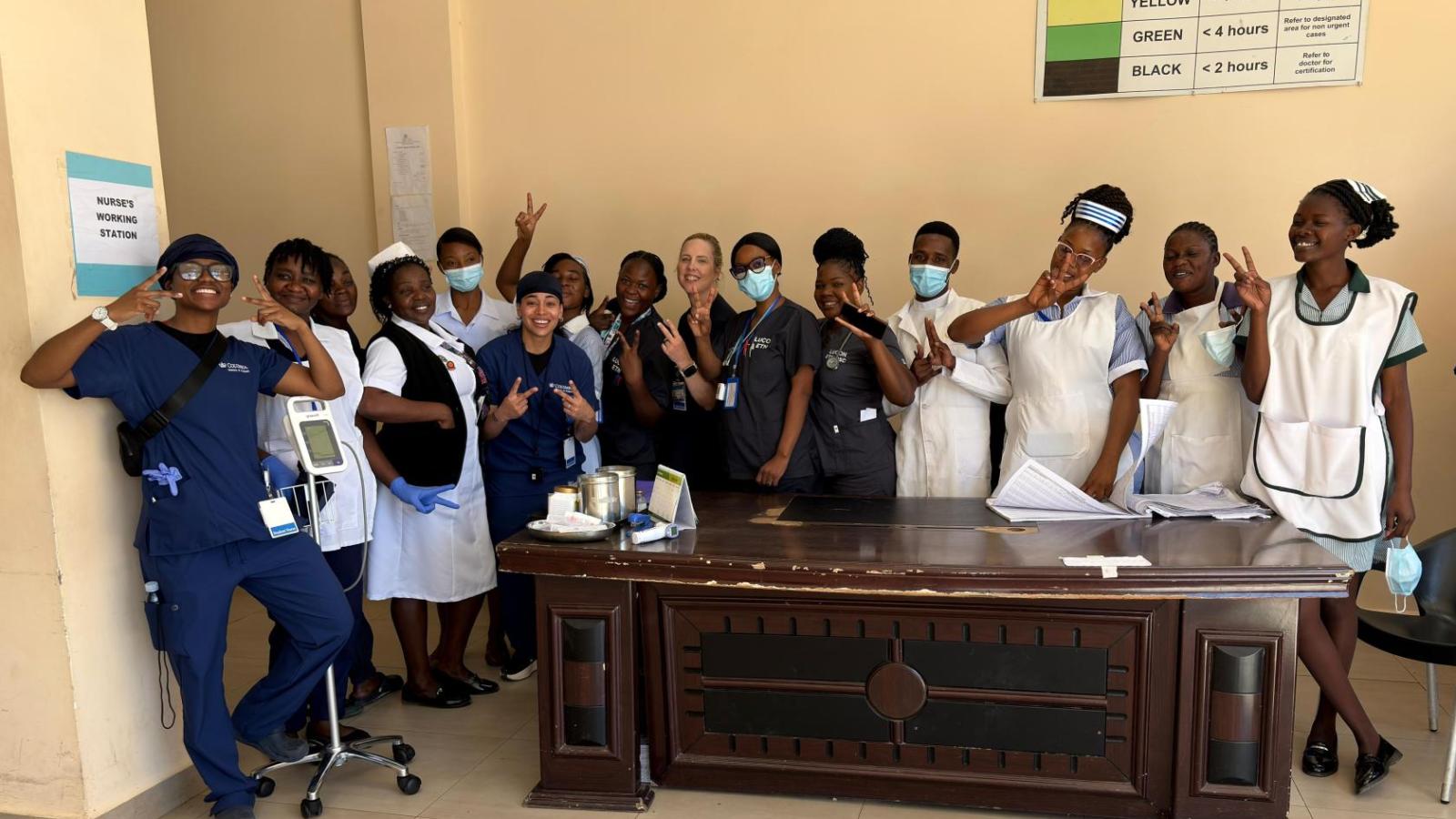
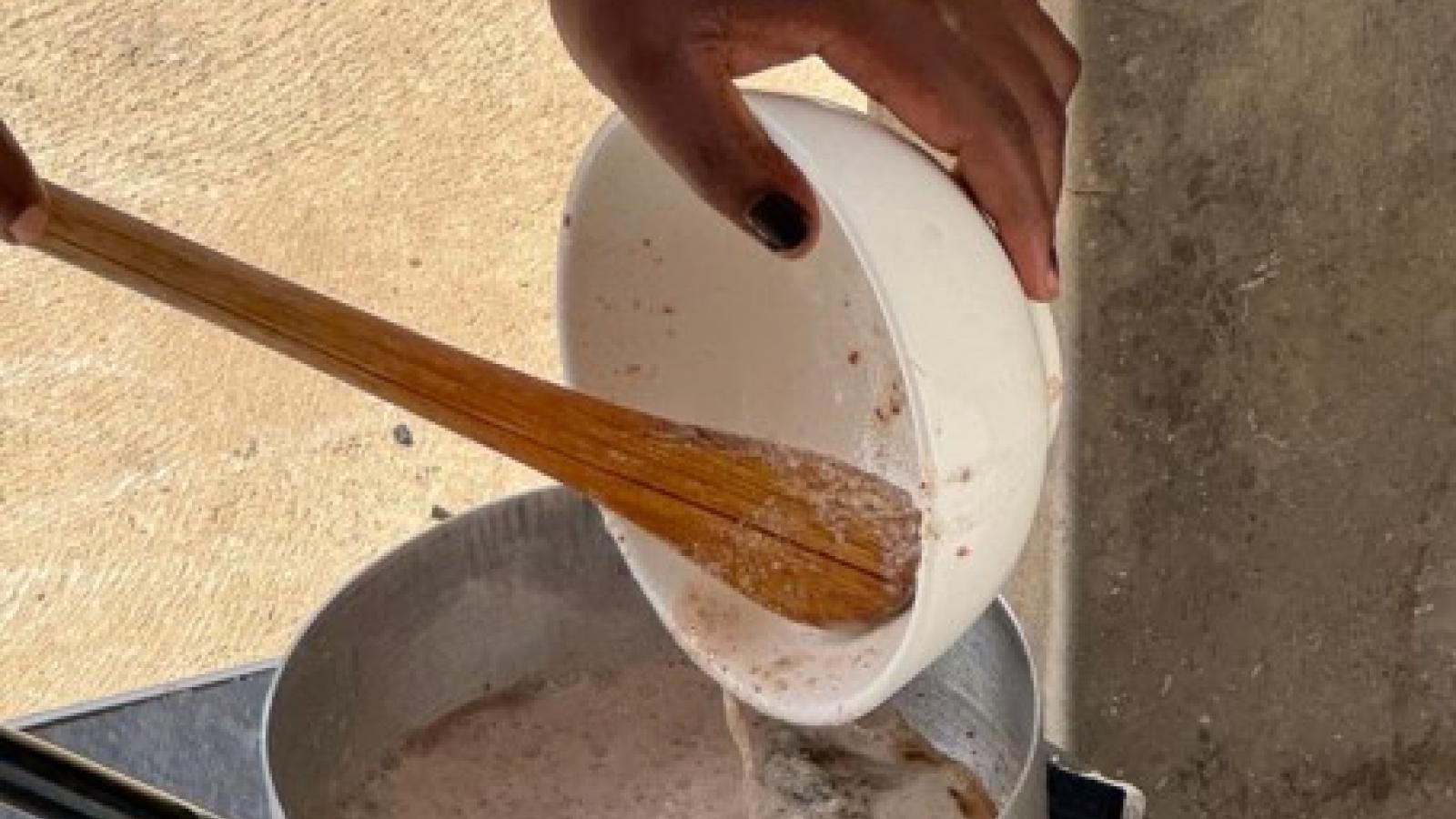
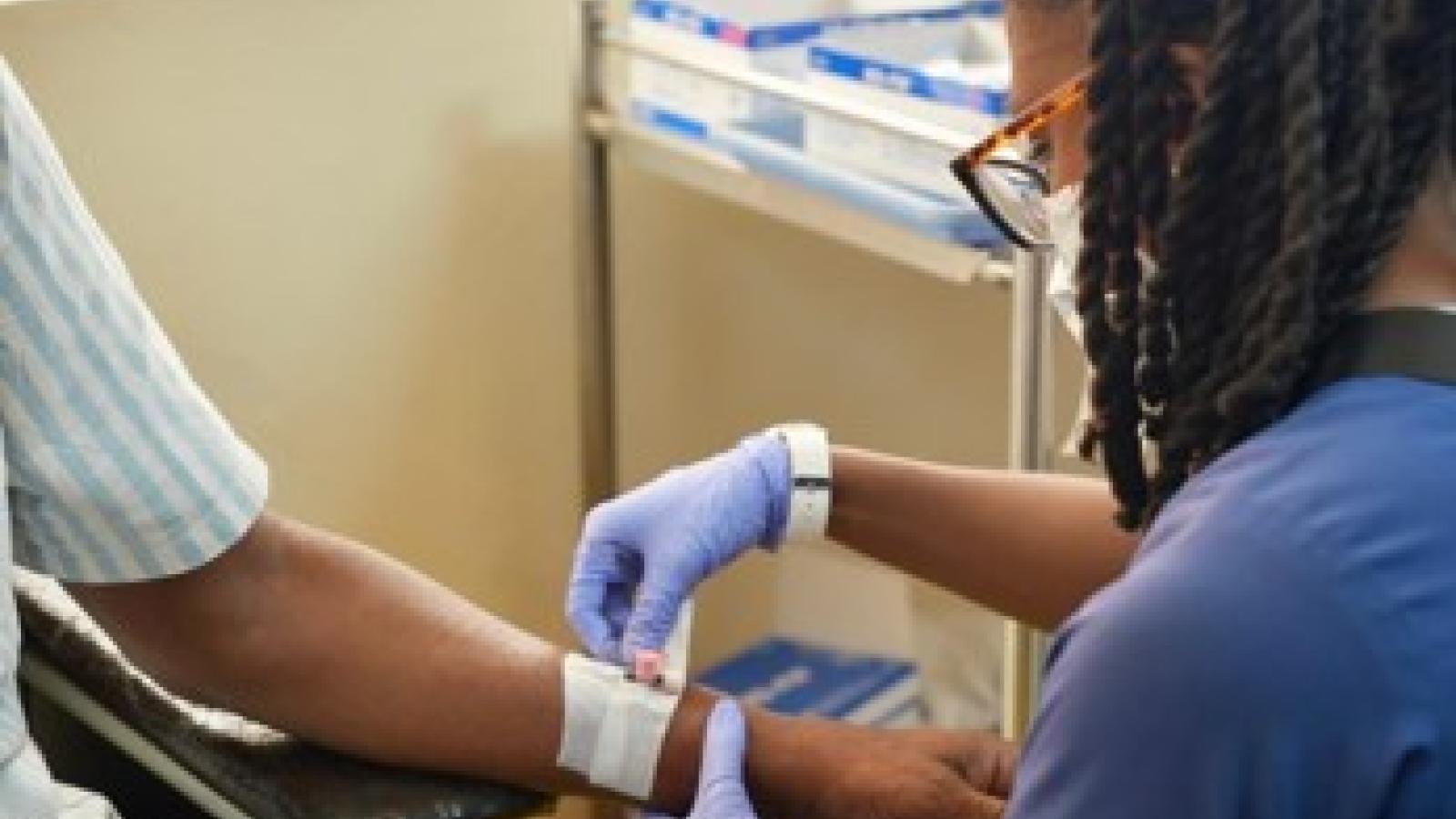
First photo: During their time in the Emergency Room at the University Teaching Hospital in Lusaka, Zambia, the preceptor demonstrated to global fellows how to provide the best care to every patient with the resources available. Even in a fast-paced and overcrowded environment, the preceptor and nurses remained calm, prioritized patients based on urgency, and worked together to ensure each person received attention and care.
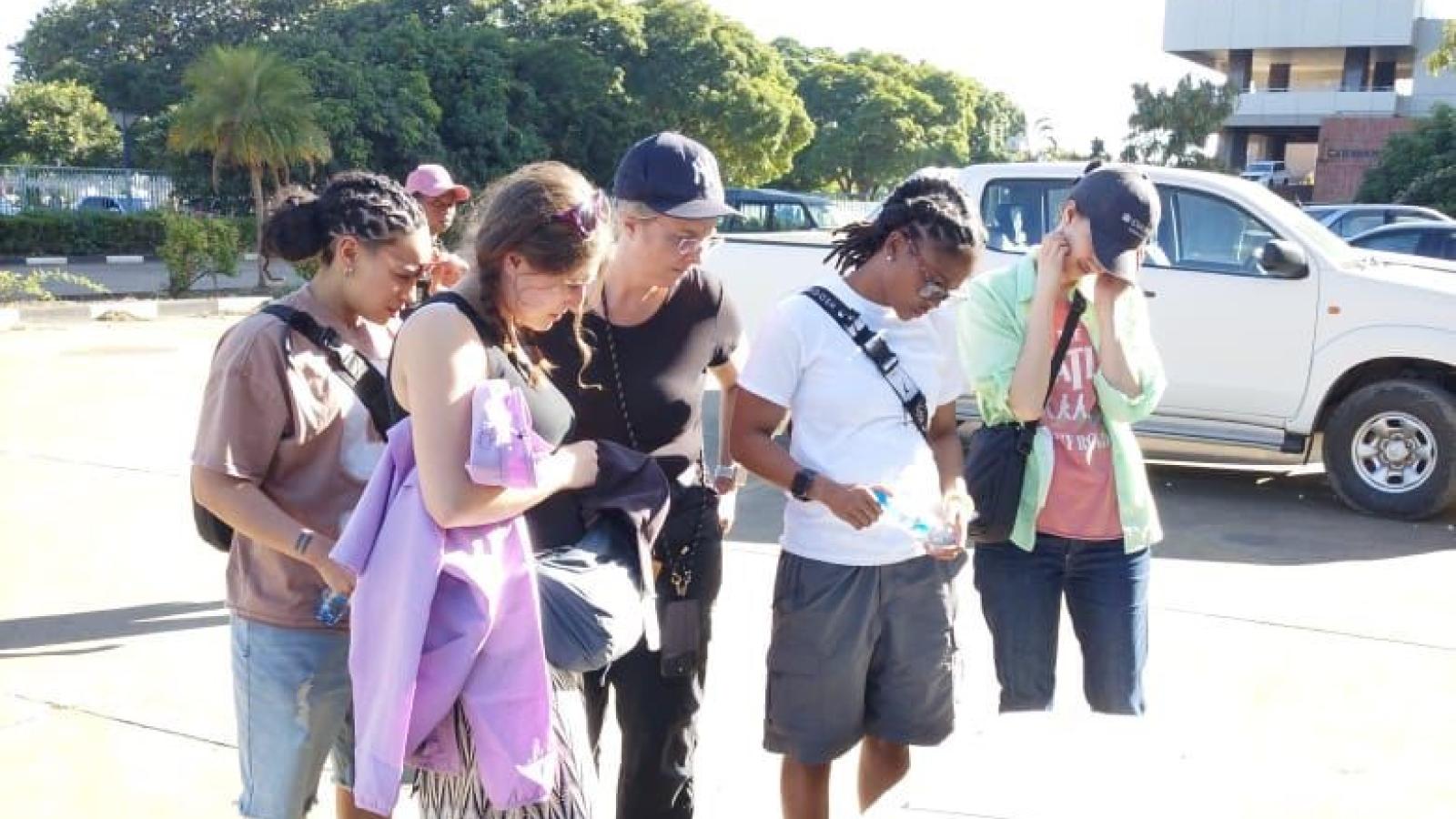
Second photo: Global fellows view a statue, “Anti-retroviral Man,” modeled after Winstone Zulu, who courageously shared his HIV status publicly in 1990.
Third photo: The preparation of a traditonal meal of nshima, a staple food in Zambia, highlighted a significant social determinant of health: access to safe energy and infrastructure. In many villages outside the bustling city of Lusaka, families live without reliable electricity and rely on a “mbaula,” a small portable metal stove fueled by charcoal or wood, for daily cooking.
Last photo: Global fellow Latanya Robinson prepares a Zambian patient to receive an infusion.
The 11-year-old Global Student Clinical program has been instrumental in exposing students to health care systems around the world and how other countries conduct their nursing education.
“For the rest of your life, you’ll be thinking about these stories. There will be times when you are taking care of people who represent different cultures and these will be the moments that come back to you. We send you off to be ambassadors. We send you off to change how you think about nursing,” Dean Lorraine Frazier, PhD, said at the celebration.
Continue below to see more photos from this year’s Global Student Clinical Program.
Brazil

“Over the last month, I had the honor of working with my preceptor, Anderson, in a medical-surgical unit in Brazil. Here, I was able to see how important and valued health equity is and how it is practiced through both access and humanized care. One experience that stood out to me was when I was taking care of a patient with a rare complex disease that needed clinical management, trust, and emotional support. In the beginning, the patient was not engaging in conversation and gave limited responses to questions. My preceptor explained Brazil’s use of “cuidado humanizado” (humanized care), I decided to put it into practice by helping with hygiene practices and providing basic human needs in a respectful and attentive way. I was able to make a noticeable difference. Once the patient realized that I genuinely cared, he began to trust me. This experience showed me that health equity goes beyond clinical care, it requires creating an environment where patients feel heard, respected, and cared for. And my preceptor showed me that you don’t need all the high tech resources to care for your patients. This experience has reinforced the idea that patient centered care can make a big impact on patient outcomes. Soft skills such as empathy, emotional intelligence, and communication are all needed to provide equitable nursing care.”
- Nicole Yepez Saavedra, global fellow
Ghana

During their last few days at University of Health and Allied Sciences’ (UHAS) Poly Clinic in Ho, Ghana, global fellows attended a community outreach event alongside staff and UHAS nursing students. The journey has challenged them, inspired them, and reminded them why they chose nursing in the first place.
India

"Our preceptor, Sanika, is a graduate of Bel-Air College of Nursing and worked as an ICU nurse before returning to Bel-Air as faculty. She shares her breadth of experience with us, from community health in rural settings to critical care in a 200-bed hospital, while overseeing our progress in clinicals. We have learned so much from Sanika and the other nurses about how to provide high-quality, effective care in resource-limited settings. Their creativity in finding solutions when patients can’t afford expenses serves as a model of patient-centered care. For example, when lab specimens need to be sent to a different Bel-Air hospital campus, they are transported (free of cost) by staff members already commuting between hospitals, rather than charging patients more expensive lab and transport fees."
- Ally Perrin, global fellow
Italy

Global fellows with University of Torino faculty Liliana Vagliano at the Regina Margherita Children’s Hospital in Turin, Italy.
Jamaica

Global fellow Vanessa Powell-Miller with Mauvette Waite, clinical instructor, University of West Indies’ School of Nursing, in the school's simulation room.
Kenya

"This photo is of our entire Kenya group with our driver Samuel as we visited his favorite local food spot and were introduced to Kenyan cuisine like nyama choma and ugali (it was so good!). It was a meaningful moment to experience how central food is to culture and community. It made me think about how different this is from the U.S. where processed and fast foods are often more accessible and affordable than fresh meals. In many communities back home people rely on highly processed foods because of cost and availability. This contributes to chronic conditions like hypertension and diabetes. Being there helped me see how diet access and environment shape health and how global health equity includes access to healthy food not just health care."
- Chanze Nembhard, global fellow
Spain

“It has been a privilege learning from and working alongside an exceptional Emergency Department nurse whose 23 years of dedication, compassion, and clinical excellence continue to inspire everyone around her. She was recently nominated for the Daisy award, an international recognition program that honors nurses who go above and beyond in providing outstanding patient care and compassion. A truly well-deserved recognition for an extraordinary nurse and mentor.”
- Tessa Chan, global fellow
The Gambia

Working with a midwife, a nurse, a nursing assistant, and a nursing student in The Gambia, global fellow Asiatou Jaiteh witnessed their scope of practice and their bedside skills first-hand, reinforcing her ability to deliver collaborative, cross-cultural patient care.